 |
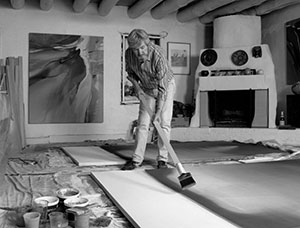
The Sasse: Where love stories develop between art and viewer |
|||||
|
||||||
| Please consider making a donation so we can bring you more stories ike these. | ||||||
| to make a donation | ||||||
These pieces began with a simple recognition: life is shaped by our connections to other people. Every conversation, every shared moment, every encounter leaves its mark. Together, these threads weave the tapestry that makes us who we are. Art lives in this same space of connection - it emerges from our accumulated experiences and travels outward to touch others, adding threads we never intended, creating patterns we cannot see. |
||||||
A View from the Studio | Robin Jack Sarner |
 |
|||||
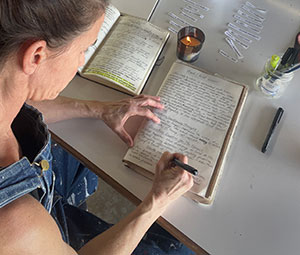
"It's like shedding my body at the door and becoming a conduit for a spiritual download." While she acknowledges that art can be made anywhere, studio vibes matter to her. "For me, space is paramount." Sarner's typical day begins with intention: focusing on her current series, clearing her mind through journaling or reflecting on past work. She studies the large canvases on the walls, moving between conceiving possibilities for blank ones and critiquing work in progress. Is there a problem to solve? Should she add a new layer or reintegrate elements she wants to push back into the space? |
||||||
| continue reading | ||||||
When Art Meets Life |
 |
|||||
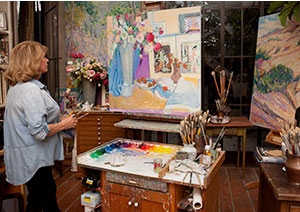
Art doesn't wait for permission. Neither does life. When creativity and the will to live fully merge, something fundamental shifts. The drive to create becomes inseparable from the drive to live fully. Not because art makes life more meaningful, but because the same impulse animates both: attention, curiosity, the willingness to see what's actually there. |
||||||
| continue reading | ||||||
Go Fish |
 |
|||||
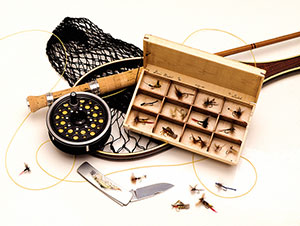
Robert Beverly Hale once said, "New artists must break a hole in the subconscious and go fishing there." We think of creativity as building, as making, as constructive effort. But Hale suggests something different: that the artist's first task is destructive. Break a hole. Crack the ice. Shatter the familiar surface that our conscious mind presents to us every day. |
||||||
| continue reading | ||||||
Our Stories |
 |
|||||
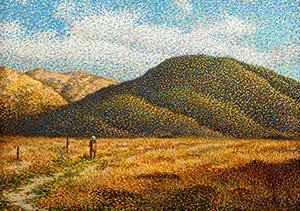
We carry stories the way landscape carries weather. They shape us, mark us, become part of what we are. Art doesn't just document these stories. It creates space for them to continue. The viewer brings their own inheritance, their own questions about belonging and place. A love affair develops not with answers but with recognition. This matters. This connects. This is part of my story too. |
||||||
| continue reading | ||||||
We Are Here |
 |
|||||
You stand at a point in time and space that will never exist again. This light, this moment, this particular confluence of experience and vision - it's already passing. The work you can make today, you cannot make tomorrow. Tomorrow you'll be different. The world will be different. The conditions that exist right now, the resources you have, the ideas stirring, the way you see, they're temporary. |
||||||
| continue reading | ||||||
Trust Your Eyes |
 |
|||||
| This gap between artistic intention and execution is rich territory. It touches on something fundamental about how art actually communicates. Sometimes artists are better at making than explaining. Sometimes the work knows more than the artist does, it contains discoveries made in the process that weren't part of the original plan. And sometimes a statement becomes aspirational rather than descriptive, describing what the artist wanted to achieve rather than what actually happened. | ||||||
| continue reading | ||||||
A View from the Studio | Ignacio Escobar |
 |
|||||
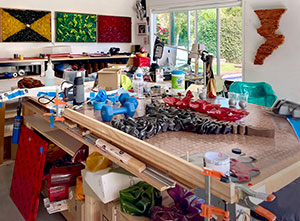
"Art is a language, spoken by the universe” Inspired by his father's paintings, Escobar is exploring the depths of his creativity as a visual artist. His Colombian heritage erupts in color and form as he experiences this language and embraces its lessons. "Inspiration is free. It is everywhere. A song, the sea, a love, the sky. Combine that with one's turbulence, entanglements, consciousness and the ethereal, and you have art." |
||||||
| continue reading | ||||||
The Problem with Problems |
 |
|||||
Life and creativity are fundamentally about problem-solving. Strip away everything else and that's what remains: identifying what isn't working and figuring out what might. But we've developed a strange relationship with problems. We treat them as interruptions to life rather than the substance of it. We avoid them, deny them, delegate them away. Anything but face them directly. |
||||||
| continue reading | ||||||
Choosing Light |
 |
|||||
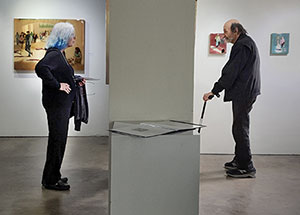
“Whoever is happy will make others happy too. He who has courage and faith will never perish in misery!” —Anne Frank, "The Diary of a Young Girl" Anne Frank wrote these words while hiding in an Amsterdam attic, facing circumstances most of us can barely imagine. Yet even there, in that cramped space with darkness closing in, she understood something essential about the human spirit: happiness and courage are not luxuries we wait for—they're choices we make, and they spread. |
||||||
| continue reading | ||||||
The Nativity |
||||||
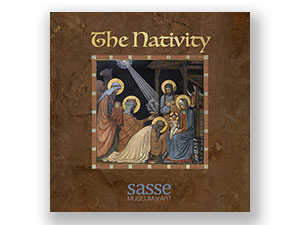
The Nativity is one of the most interpreted subjects in art history. Our catalog brings together historical paintings and sculptures from museums worldwide - from a 4th-century Byzantine relief to Botticelli's mystical vision, from Giotto's frescoes in Assisi to Rembrandt's intimate etchings. Each artist found their own way into this ancient story. Some bathed it in candlelight. Others placed it beneath golden halos or Renaissance architecture. Each made it their own - not through invention, but through seeing. |
 |
|||||
| continue reading | ||||||
Inspired Action |
||||||
When inspiration stirs something within us and we respond by making (whether with paint, words, movement, or any form of creative expression) we step into a different relationship with existence. We're no longer just witnesses. We become participants in bringing something new into the world. This is where life gains its fullness. Not in the accumulation of experiences or the passage of time, but in those moments when we feel compelled to create and actually do it. |
 |
|||||
| continue reading | ||||||
Walking Toward Wonder |
 |
|||||
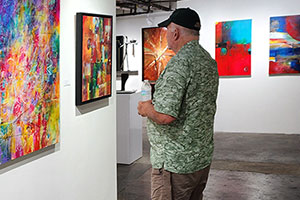
"The path to inspiration isn't marked—it appears only when you start walking toward wonder." An artist begins this way. Not with certainty, but with curiosity. They don't wake up knowing exactly what they'll create. They only know they're drawn toward something—a color that won't leave them alone, a question that keeps returning, a feeling they can't quite name. So they start walking. They pick up the brush, the camera, the clay. They begin. |
||||||
| continue reading | ||||||
When Time Stands Still |
 |
|||||
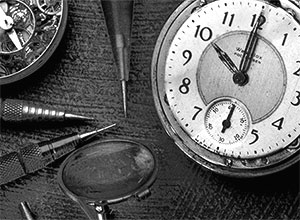
"In the creative life, you must negotiate with time itself—stealing moments from obligations, bartering sleep for inspiration, and learning when to surrender to the process." This is the contract every creative person signs: time will never simply be given. It must be negotiated, borrowed, occasionally taken by force. Artists promise themselves just two hours, knowing it will become four. They can't always explain how the light in their minds refuses to wait until morning, how a vision demands to be captured before it dissolves into memory. |
||||||
| continue reading | ||||||
The Apple Seed |
 |
|||||
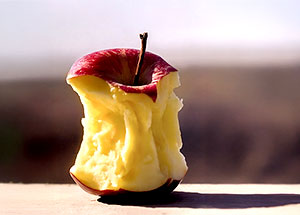
Consider the apple seed. Smaller, weighing almost nothing, looking utterly ordinary. You could hold a dozen in your palm and barely feel their weight. Yet within that tiny shell lies something extraordinary: the potential for a tree that will reach toward the sky, spread its branches wide, bear fruit, and scatter thousands more seeds across the earth. When inspiration touches you, whether as artist or viewer, you're holding a seed. It might arrive as a whisper, an image, a feeling you can't quite name. Something small. Something that others might not even notice. |
||||||
| continue reading | ||||||
Where Art Starts |
 |
|||||
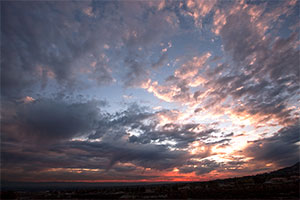
This morning, before you woke up, God was already making art. He painted the sky in gradients no human hand could match. He orchestrated light falling through branches, creating shadows that shift and dance with the breeze. He composed the music of leaves and the singing of birds—a symphony so subtle you have to stop and listen to hear it. |
||||||
| continue reading | ||||||
Art's Contradictions |
 |
|||||
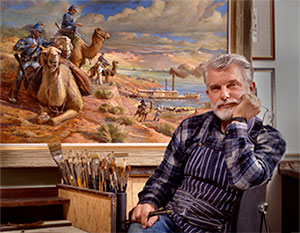
As artists, we live with a beautiful contradiction. We work with grand ambitions to move people, to capture life, to express what words cannot, yet we know our reach is limited. We can't fix the world, but that's never been the point.
|
||||||
| continue reading | ||||||
Simplicity takes wisdom |
 |
|||||
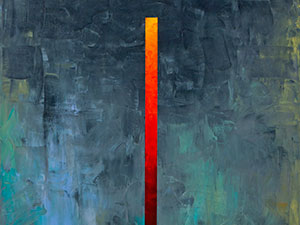
The wisdom of simplicity trains the eye to distinguish between what adds and what distracts, what deepens and what merely decorates. When you learn to see simplicity not as poverty but as concentrated meaning, not as lack but as deliberate choice, not as easy but as the hardest-won wisdom---then you understand that clarity of purpose made visible is among art's highest achievements. |
||||||
| continue reading | ||||||
A Laboratory for Visual Thought |
 |
|||||
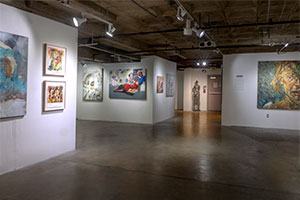
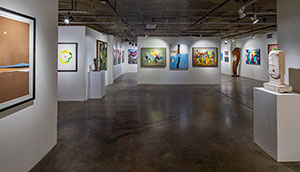
| At the Sasse, we're here to open the doors to visual thinking, to build a place where love stories develop between art and viewer. You may find yourself moved by one piece while remaining cold to another. You might hate something hanging on these walls, while the work beside it becomes a touchstone you return to again and again. | ||||||
| continue reading | ||||||
Plucking Thistles |
 |
|||||
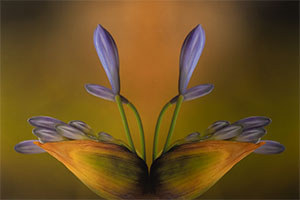
"I want it said of me by those who knew me best, that I always plucked a thistle and planted a flower where I thought a flower would grow." —Abraham Lincoln What is the purpose of art, if not this? Every artist who has ever lifted a brush, shaped clay, or captured light through a lens has faced the thistle-strewn ground of our world... |
||||||
| continue reading | ||||||
A View from the Studio | Maurice Quillian |
 |
|||||
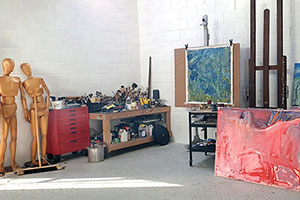
"Music is God's glue, it holds the Universe together." This is how Maurice Quillinan describes the soundtrack to his creative practice a philosophy that extends to his entire approach to artmaking in his Limerick, Ireland studio. "When I close the door it's just me and the dogs and the work and music and no phone," he explains. "It's the best place in the world just to concentrate on painting and drawing." |
||||||
| continue reading | ||||||
Your Brain on Art |
 |
|||||
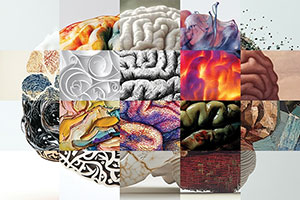
| When you stand before a painting, play a musical instrument, or shape clay with your hands, something remarkable happens inside your body. These creative encounters trigger a cascade of physiological responses, quite literally rewiring your brain and reshaping how you process the world. | ||||||
| continue reading | ||||||
Finding Art in the Unexpected |
 |
|||||
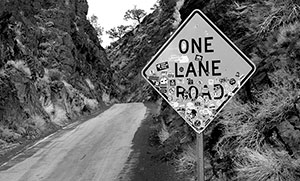
| We're often taught that art happens in special places, made by special people with special training. But real creativity is more like this sign: an accumulation of small, authentic expressions building over time. The sketch in the margin. The song hummed while walking. The story shared over coffee. Choosing to add beauty to something that didn't ask for it, simply because we feel moved to do so. | ||||||
| continue reading | ||||||
Walls, Windows & Doors: a metaphor for creativity |
 |
|||||
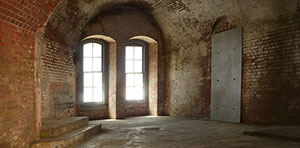
| Three ordinary features define every space we inhabit: walls, windows, and doors. Together, they offer a profound metaphor for how we create. | ||||||
| continue reading | ||||||
Where Does Inspiration Come From? |
 |
|||||
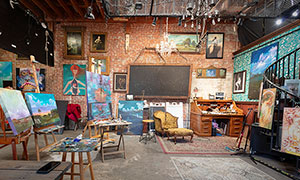
It’s a question that has baffled, enchanted, and driven creative minds throughout history. Where does inspiration come from? Is it a bolt from the blue, a whisper in the wind, or something found in the everyday moments we so often overlook? |
||||||
| continue reading | ||||||
The Threads That Bind |
||||||
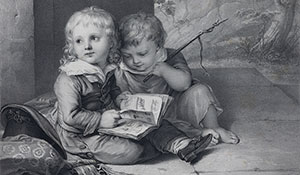
In this dance between faith, family, and freedom, art becomes more than aesthetic achievement it becomes a bridge between souls, a record of our struggles and triumphs, and a testament to the enduring human need to create meaning from the raw materials of existence. Each brushstroke, each word, each note carries within it the accumulated wisdom of generations while reaching toward possibilities not yet imagined. |
 |
|||||
| continue reading | ||||||
Celebrating the Journey of Art & Play |
 |
|||||
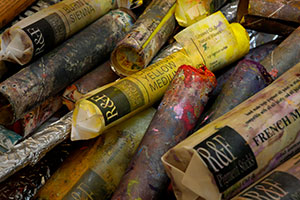
| The meeting place of play and art creates a warm space where creativity, exploration, and self-expression can flourish. Both play and art nurture human development, especially during childhood, though their gifts enrich us throughout our lives. When we honor the playful spirit within art, we welcome experimentation, joy, and the freedom to create without worrying about perfection. | ||||||
| continue reading | ||||||
|
||||||
| Wonder is the golden thread that weaves through the tapestry of human creativity, binding our capacity to see, feel, and express the world in ways that transcend the mundane. It is the spark that ignites artistic vision and the flame that sustains creative endeavor. In the relationship between art, creativity, and wonder, we find not just an aesthetic philosophy but a fundamental truth about what it means to be human. | ||||||
| continue reading | ||||||
Negotiating with Doubt |
||||||
Every morning, the artist sits down to work and immediately finds themselves in a familiar negotiation. On one side of the table sits confidence, insisting that today's work will matter, that the world needs what they have to offer. On the other side lounges doubt, arms crossed, asking with a smirk: "But really, who cares?" This is the daily diplomacy of the creative life. Unlike other professions where external validation provides regular proof of worth, artists must constantly broker peace between these two fundamental forces. |
||||||
| continue reading | ||||||
|
||||||
Einstein's Miracle Philosophy & the Creative Spirit |
 |
|||||
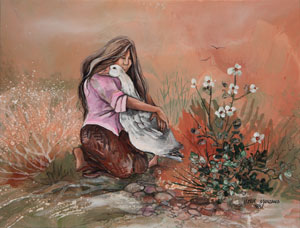
| "There are only two ways to live your life. One is as though nothing is a miracle. The other is as though everything is a miracle." Albert Einstein's profound observation reveals a fundamental truth about how we engage with the world around us. This choice between wonder and indifference becomes particularly significant when we consider the realm of art and creativity, where the capacity for marvel can mean the difference between mechanical production and transformative expression. | ||||||
| continue reading | ||||||
The Viewer's Journey |
 |
|||||
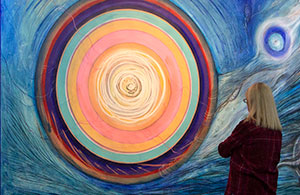
Every viewer embarks on their own journey of recognition when encountering art, creating "recognition moments" when we see something in a painting, read something in a poem, or hear something in music that makes us think, "Yes, that's exactly how I feel, but I never had words for it." These moments transform the gallery experience from passive observation into an active journey of collaboration between viewer and creator. |
||||||
| continue reading | ||||||
What's the Point! |
 |
|||||
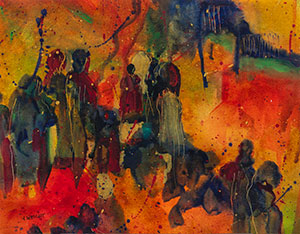
Creating something with our hands and hearts asks us to bring together everything we know and feel, blending technique with intuition, memory with imagination. This process teaches our minds to dance with uncertainty, to find comfort in not knowing exactly where we're headed. We become more flexible thinkers, better at seeing connections and possibilities that weren't obvious before. Perhaps the most beautiful thing about art and creativity is how they honor our need to make something beautiful, meaningful, or joyful for its own sake. |
||||||
| continue reading | ||||||
The Inner Voice |
 |
|||||
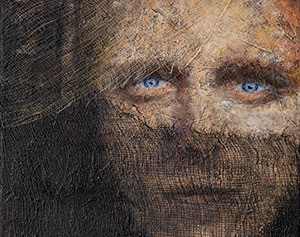
The inner voice is both one of a creative person's most powerful tools and their greatest potential obstacle. How you relate to this internal dialogue can make or break your creative journey. At its best, your inner voice serves as an intuitive guide, helping you sense when something feels authentic or when you're moving in the right direction. It's the part of you that whispers "yes, that's it" when you hit on something meaningful, or suggests unexpected connections between seemingly unrelated ideas. Many creatives describe learning to trust this subtle inner knowing, especially when it conflicts with external expectations or conventional wisdom. |
||||||
| continue reading | ||||||
Duty over Dreams |
 |
|||||
Jefferson's sacrifices were substantial. He postponed completing Monticello's dome for nearly a decade. His plans for the University of Virginia's architecture sat in drawers while he navigated political storms. Though he despised public speaking, he delivered crucial addresses that shaped a nation. He gave up his quiet scholarly pursuits for the messy work of governance. This pattern extends into the creative realm. Artists today often discover that circumstances constrain them from their purest visions. |
||||||
| continue reading | ||||||

|
||||||
|
||||||